

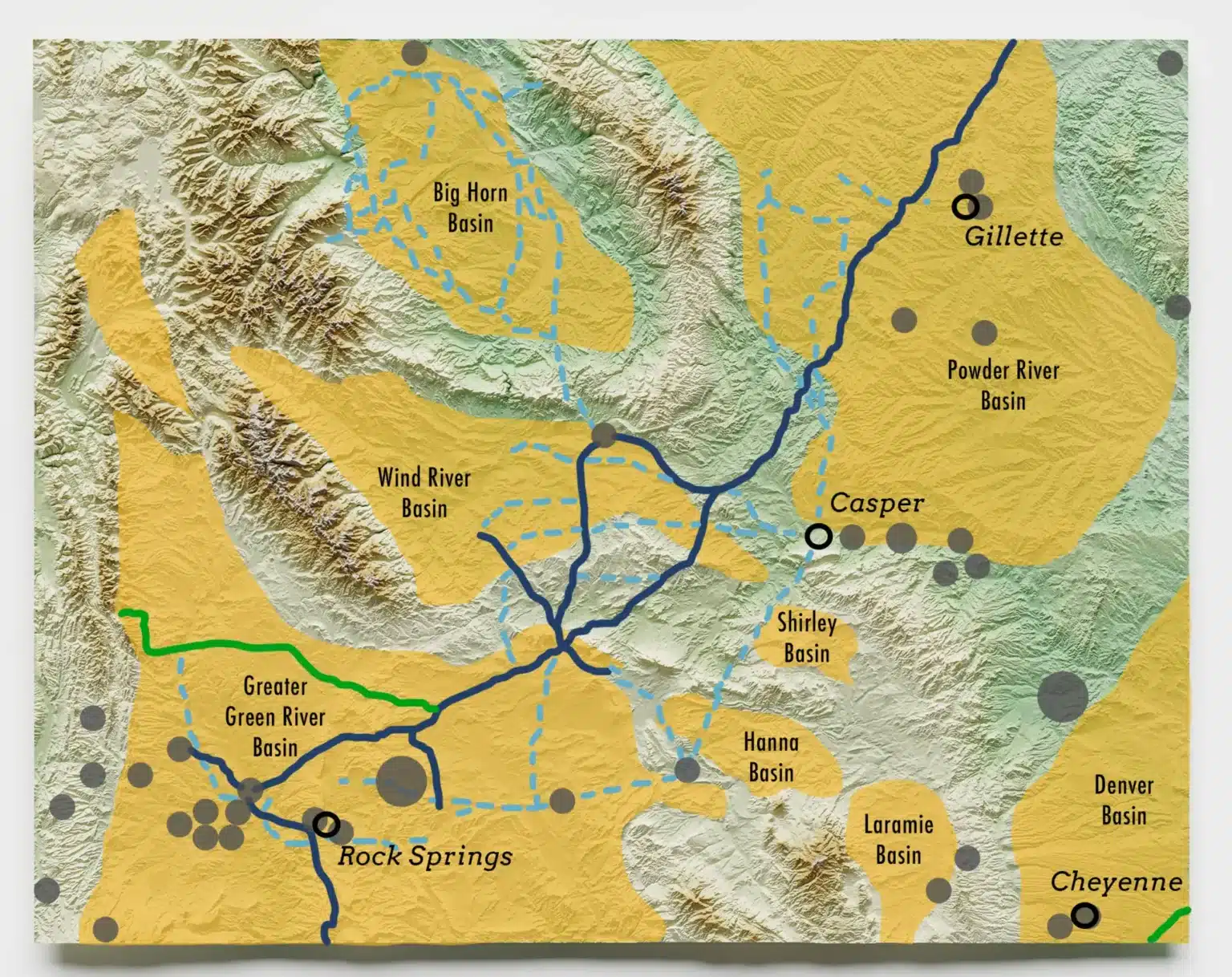
Wyoming's natural gas and oil industry has been a leader in the utilization of CO₂ for decades — managing carbon in a way that recognizes its potential as a commodity, not a waste product. It is used in enhanced oil recovery (EOR), advanced manufacturing, and other cutting-edge industries, while capture technologies also provide an innovative solution to emissions.
CO₂-EOR increases the amount of oil extracted from aging reservoirs by injecting CO₂ into underground formations. The CO₂ mixes with the remaining oil, reducing its viscosity and making it easier to flow to production wells — often extracting 30–60% more oil from a reservoir — while also storing CO₂ underground.
Wyoming's Enhanced Oil Recovery Institute estimates there is "high-level, state-wide potential" for increased production from CO₂-EOR with more than 2 billion barrels of recoverable oil in 75 different fields that would otherwise be left in the ground.
Carbon Capture, Utilization, and Storage (CCUS) reduces CO₂ emissions by capturing, transporting, and either storing or repurposing CO₂ from industrial sources. Wyoming has utilized CCUS since the 1990s. ExxonMobil's Shute Creek facility in Southwest Wyoming was one of the first in the world to capture CO₂ from industry and has captured more CO₂ than any other industrial facility in the world.
Wyoming boasts the first national park (Yellowstone), the first national forest (Shoshone), and the first national monument (Devils Tower). With nearly 55% of Wyoming surface lands controlled by federal or state government — along with nearly 70% of all subsurface mineral rights — public lands issues are a top priority for PAW.
PAW staff advocates for true multiple use on public lands, including the safe and sustainable development of Wyoming's world-class oil and gas resources. The BLM controls approximately 18.4 million acres of public land and nearly 43 million acres of subsurface federal mineral estate.
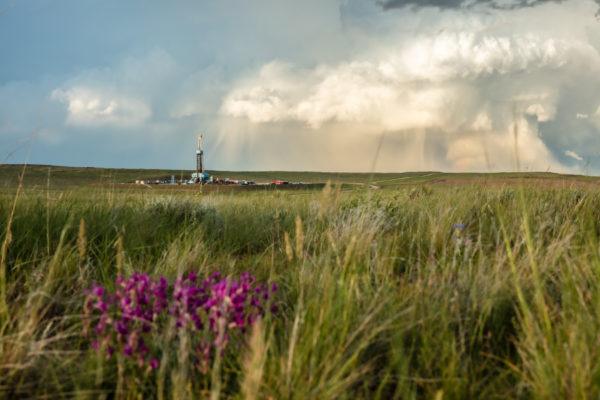
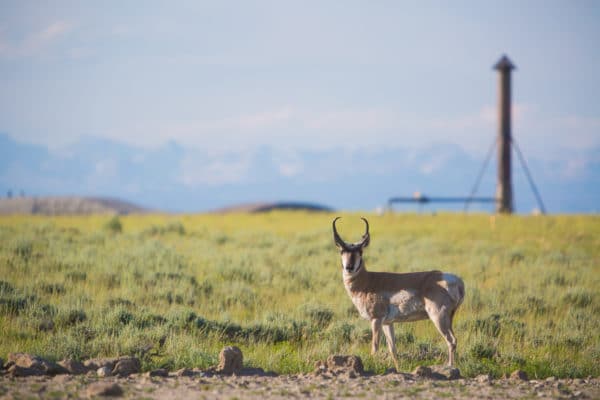
Wyoming's wildlife resources are unmatched and an integral part of both the state's heritage and economy. Hunting in Wyoming is a way of life and an important driver of our outdoor economy. Tourists travel to Wyoming from around the globe to witness the many species that call Wyoming home.
Many Wyoming residents working in the oil and gas industry are avid hunters and outdoor enthusiasts with a vested interest in protecting the viability of our wildlife. PAW continues to be actively involved with the state and stakeholders as policies are developed to ensure that wildlife remains viable and vibrant while prudent development can occur.
The oil and gas industry believes in thoughtful, data-driven policies that sustain wildlife populations while enabling responsible energy development.
The individuals who work in Wyoming's oil and gas industry take environmental responsibility very seriously. They are committed to ensuring the outdoor opportunities that make Wyoming home will be there for their children and grandchildren.
They also understand that as a primary driver of the state's economy, the oil and gas industry provides thousands of Wyomingites with an unmatched quality of life.
PAW believes these principles are not mutually exclusive. We can produce the energy Americans and the world needs while continuing to leave Wyoming a better place — building a prosperous state while ensuring our wild and open spaces stay wild and open.


In 2018, the oil and gas industry contributed more than $2,600 per person in Wyoming to state and local governments — approximately $1.39 billion in total. Oil and gas producers paid 30% of all property taxes in the state and over $380 million in severance taxes.
PAW members are proud of the contributions they have made to building Wyoming and are committed to paying their fair share. PAW also believes Wyoming must find solutions that cease putting the burden of funding government operations disproportionately on the backs of oil and gas producers.
In 2018 Wyoming's petroleum industry directly employed over 18,000 people with an annual payroll of over $1 billion. The oil and gas industry also contributes more than $620 million to education in Wyoming, including K–12 education, community colleges, and the University of Wyoming.
PAW is committed to cultivating a vibrant and well-trained workforce capable of meeting the energy needs of Wyoming and the world.
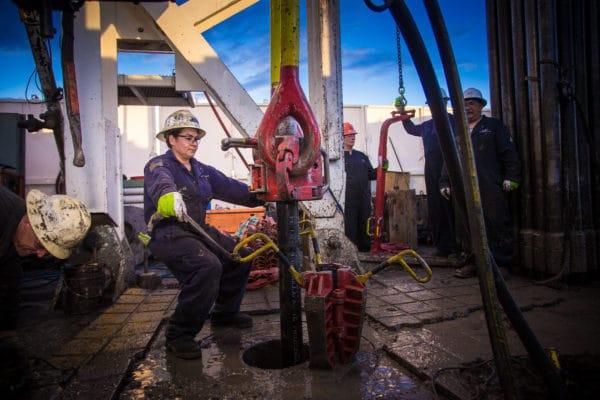
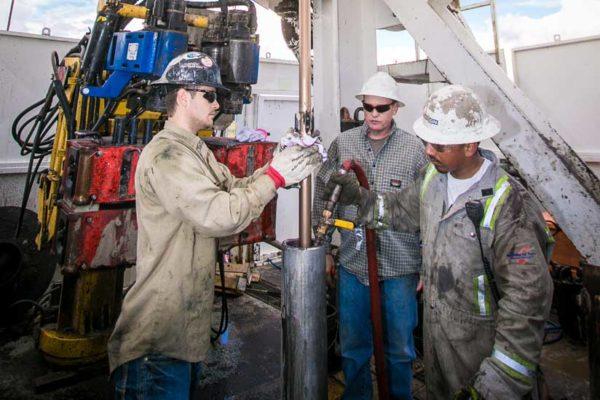
Creating a culture of safety in the oil and gas industry is paramount for members of PAW. Member companies work continuously to improve safety through comprehensive research, training, and strict standard development.
PAW's goal is continuous improvement and zero workplace incidents. Safety is not just a regulatory requirement — it is a core value shared by every PAW member organization.
PAW members are committed to efficiently developing Wyoming's natural resources. Flaring — burning natural gas instead of capturing and selling it — may seem counterintuitive, but there are several reasons it may be necessary:
PAW supports common-sense regulations on flaring — like Wyoming's current 60 Mcf cap — that limit emissions while allowing producers flexibility to utilize flaring as a tool to protect the workforce and environment when necessary. PAW also supports the development of additional infrastructure to bring product to market and reduce the need for flaring.
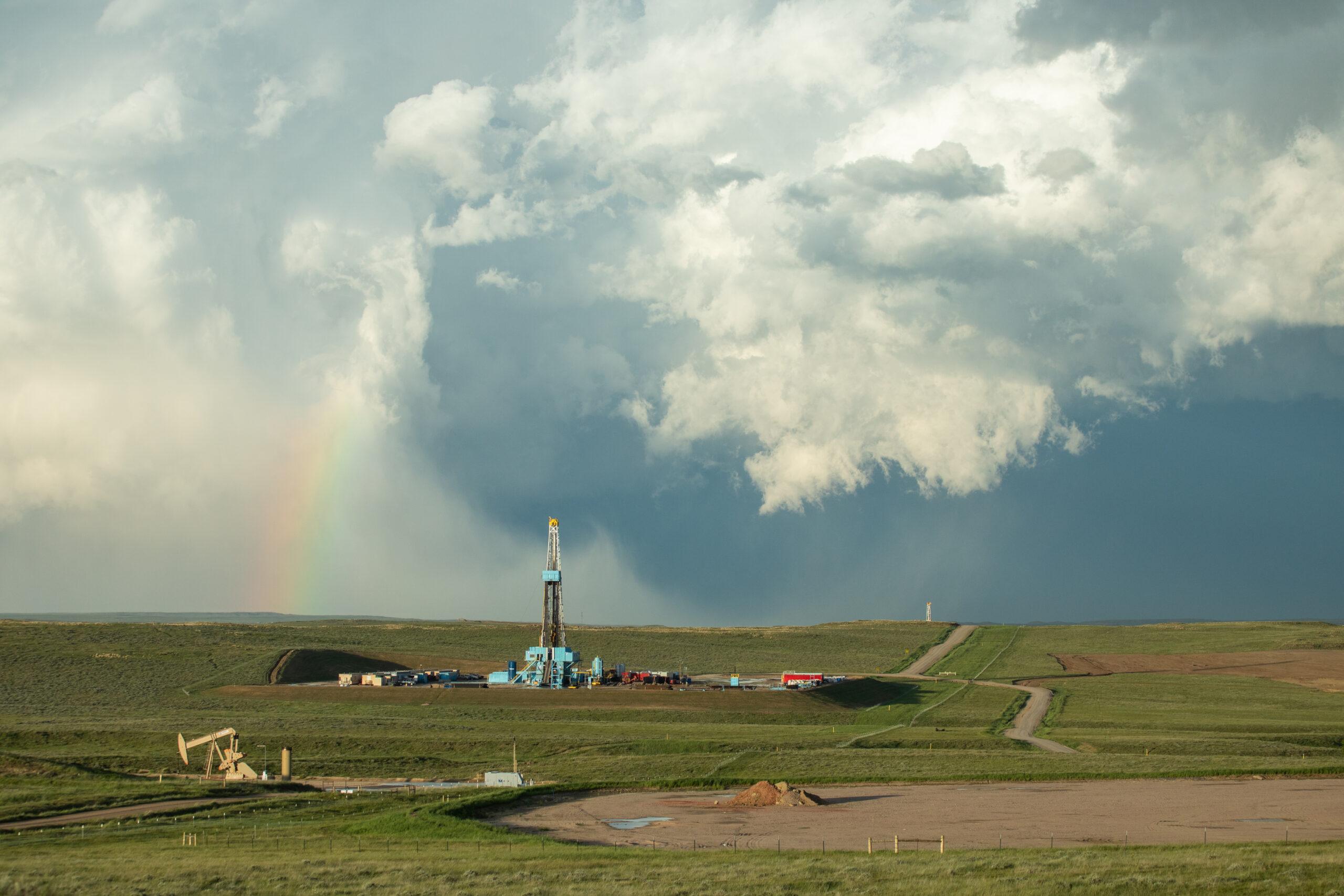
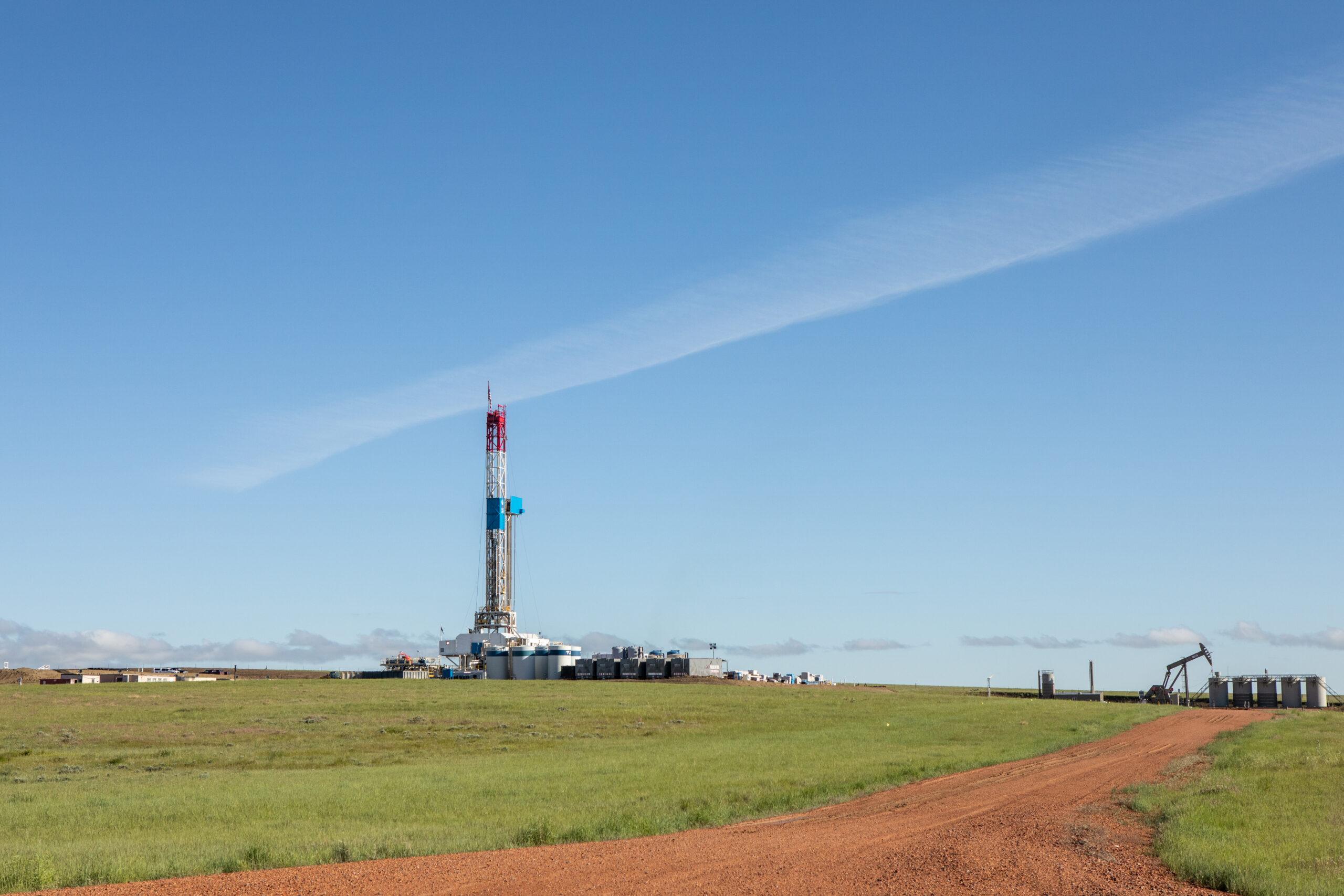
Given Wyoming's complex mineral estate ownership and current split estate laws, landowners may be uncertain of their rights regarding mineral development. In general, Wyoming is considered a mineral dominant state — the owner of the mineral estate has the right to access the land to develop those minerals.
The Wyoming Oil and Gas Conservation Commission has put together a "Guide to Oil and Gas Operations for Surface Owners" to assist landowners in understanding their rights and responsibilities when it comes to mineral development.
Whether landowners own the mineral estate under their land or are subject to split estate, PAW members are committed to being good neighbors before, during, and after the development of oil and gas resources on their property.