
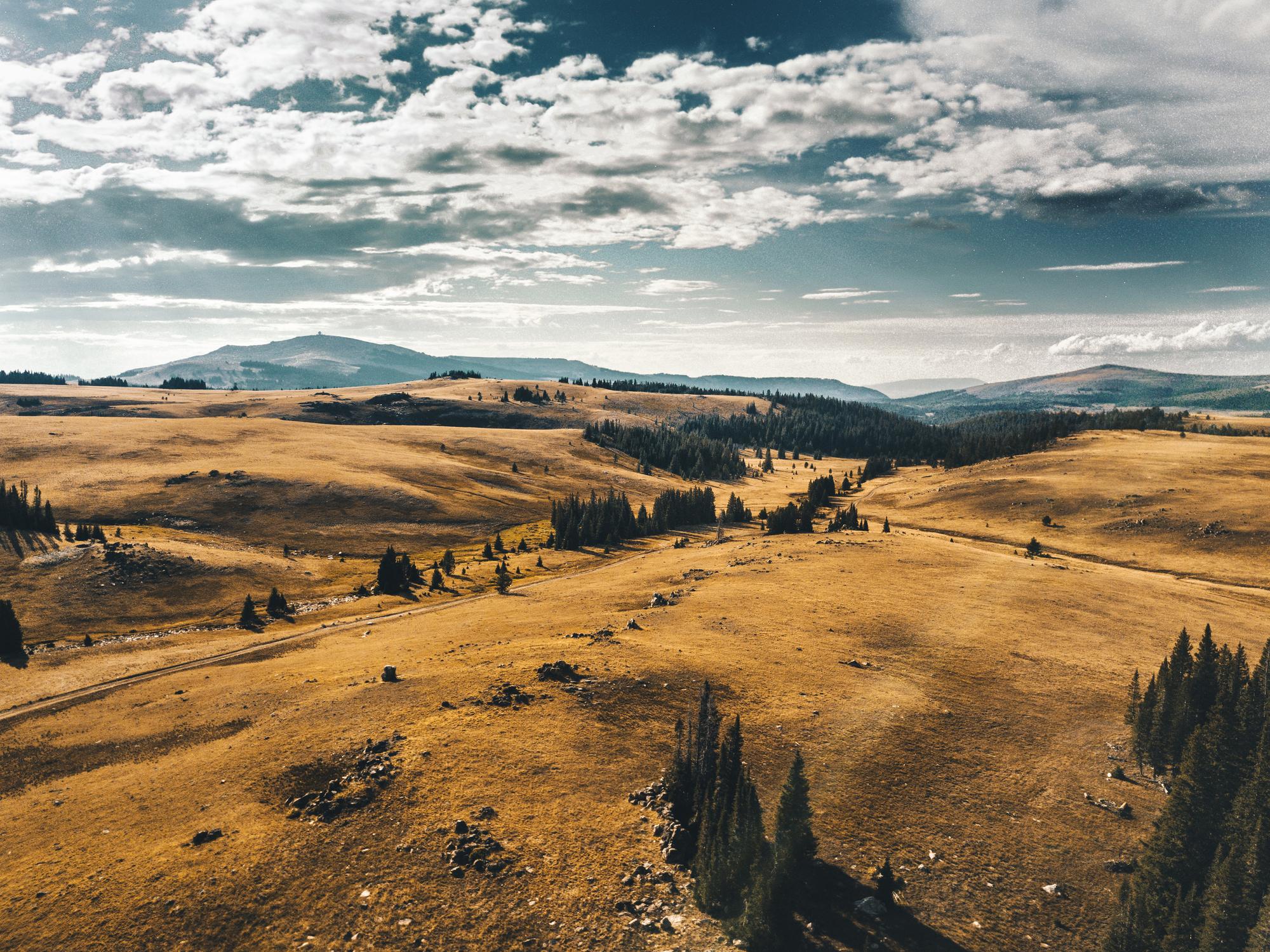
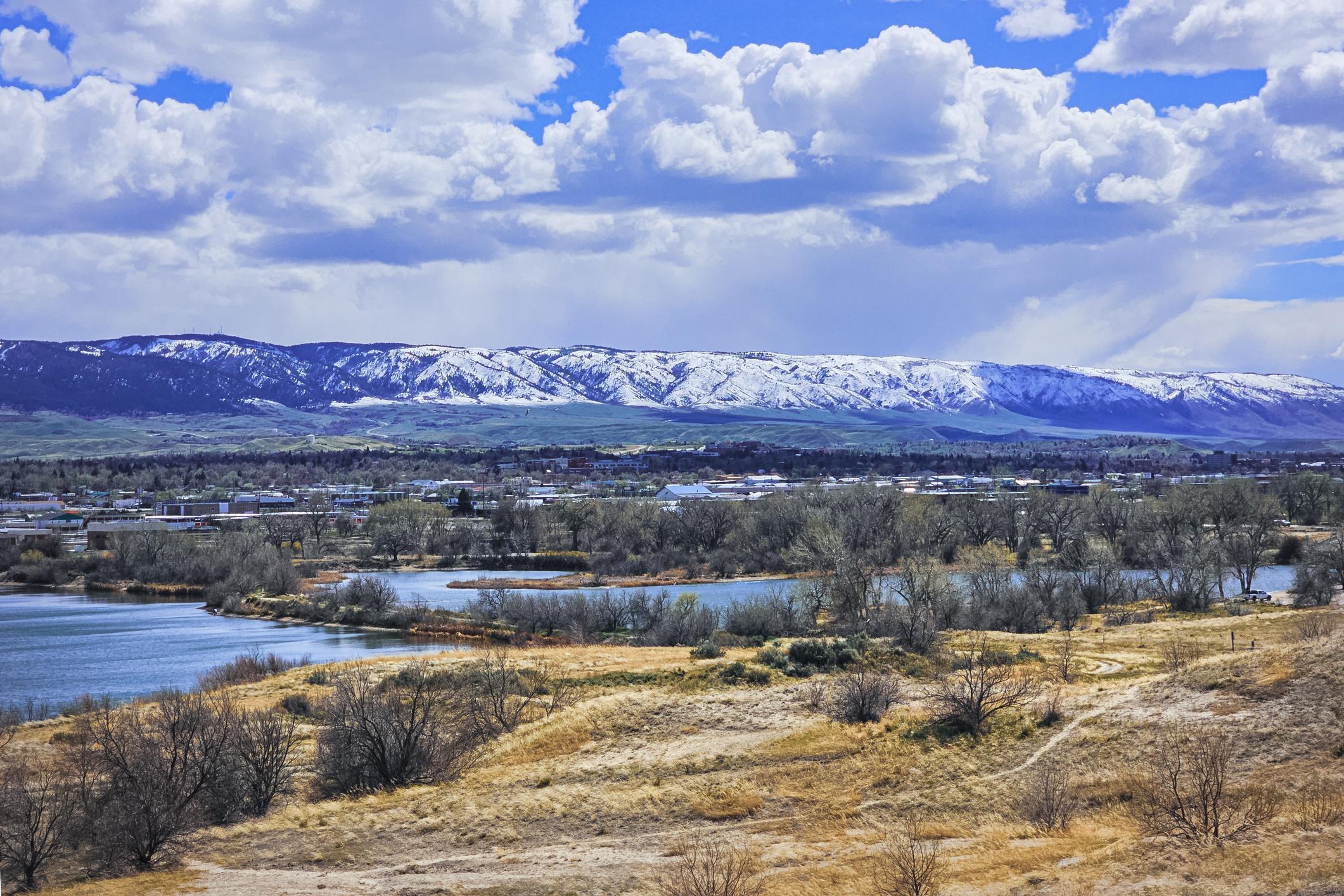
Wyoming's clean air must be protected, and oil and natural gas producers are implementing new technologies not only to comply with existing stringent Wyoming air quality rules, but to exceed them. The Wyoming Department of Environmental Quality (DEQ) regulates Wyoming's oil and natural gas companies, following authority delegated from the U.S. Environmental Protection Agency (EPA).
Most oil and natural gas operations are regulated by DEQ's Chapter 6, Section 2. The DEQ requires minor source operations to be evaluated for potential emissions and issues permits applying stringent Best Available Control Technology (BACT) to ensure the least amount of emissions are released into Wyoming's clean air.
Extraordinary efforts in the Upper Green River Basin by oil and gas operators have led to a significant decline in ozone emissions. Nationally, carbon emissions have declined precipitously even as production has risen.
The Wyoming Air Quality Monitoring Network features live images and current air quality conditions from monitoring locations throughout the state — updated every 15 minutes with near real-time meteorological and visibility data.
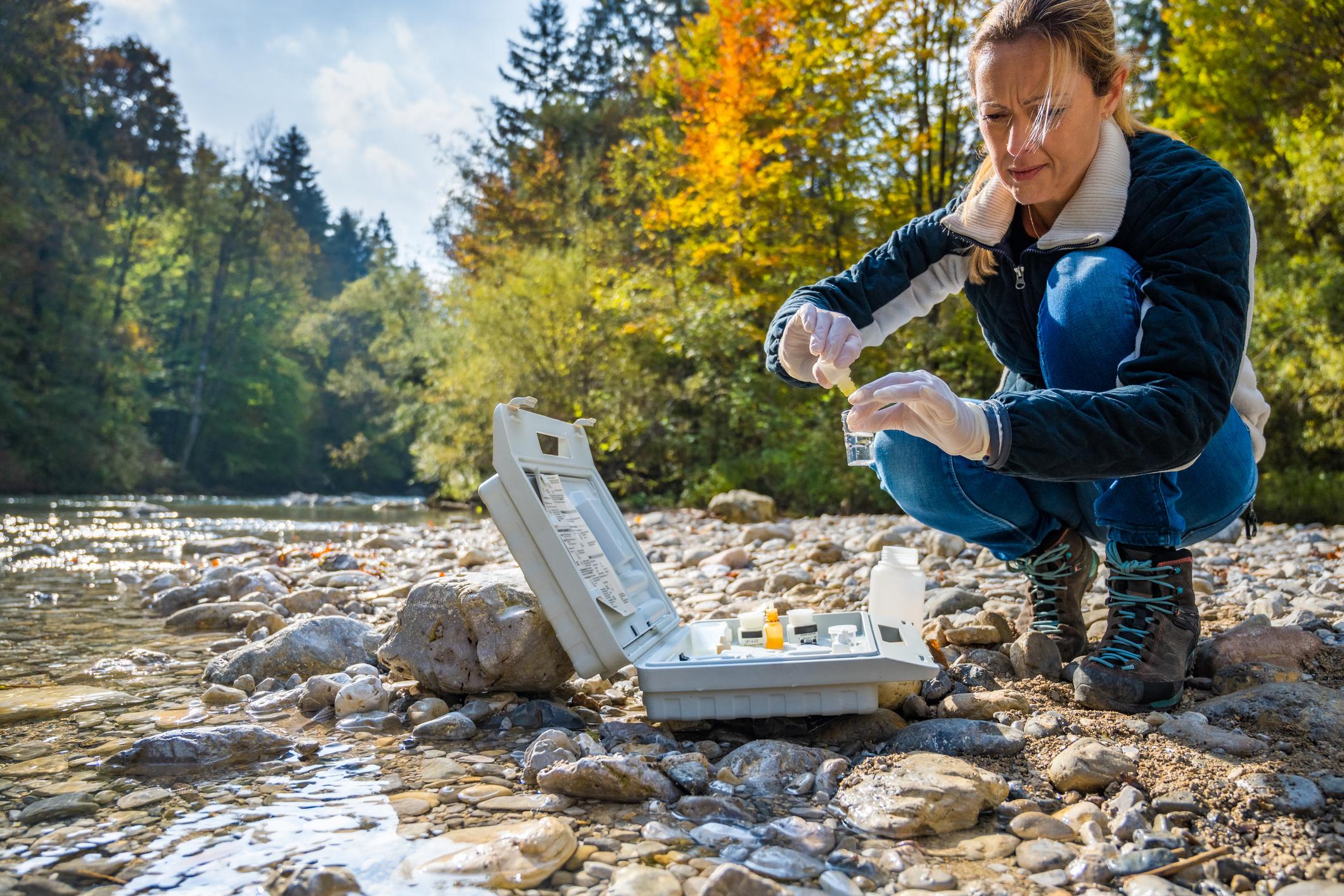
It's often said in Wyoming that whisky is for drinking, water is for fighting. Water is critical to our semi-arid state, and Wyoming's oil and natural gas industry is deeply cognizant of keeping our water clean. Oil and gas production results not only in usable energy products, but also large quantities of "produced water," a byproduct of development.
In areas where produced water is of sufficient quality, it is utilized in agricultural operations and providing habitat that otherwise would not exist. There are perennial streams in Wyoming that are solely dependent on produced water — streams with water rights attached that would not exist if not for oil production facilities.
Wyoming's Department of Environmental Quality (DEQ), with authority delegated from the EPA, regulates all water discharges — requiring strict standards to ensure Wyoming's water remains clean and clear for its citizens.
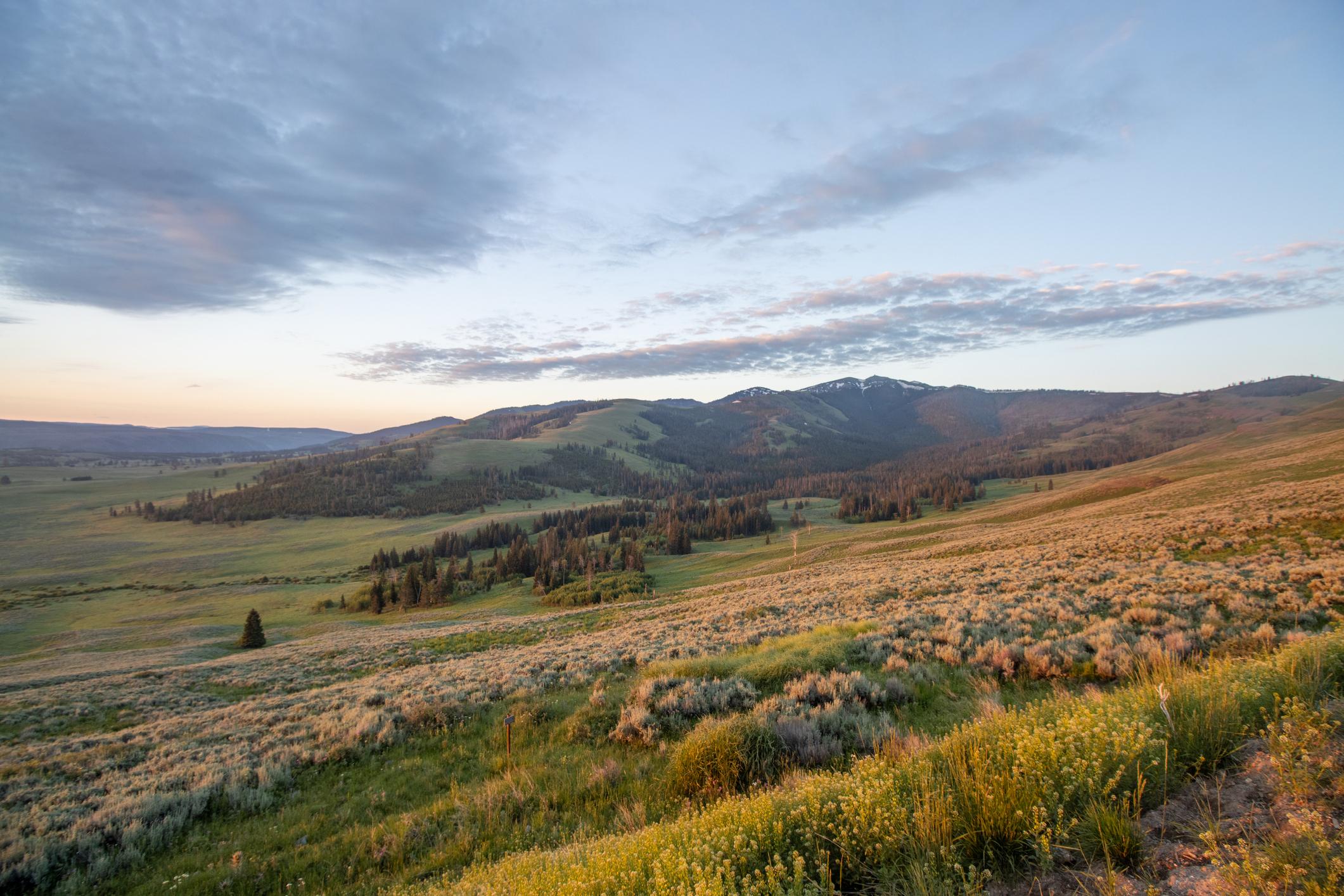
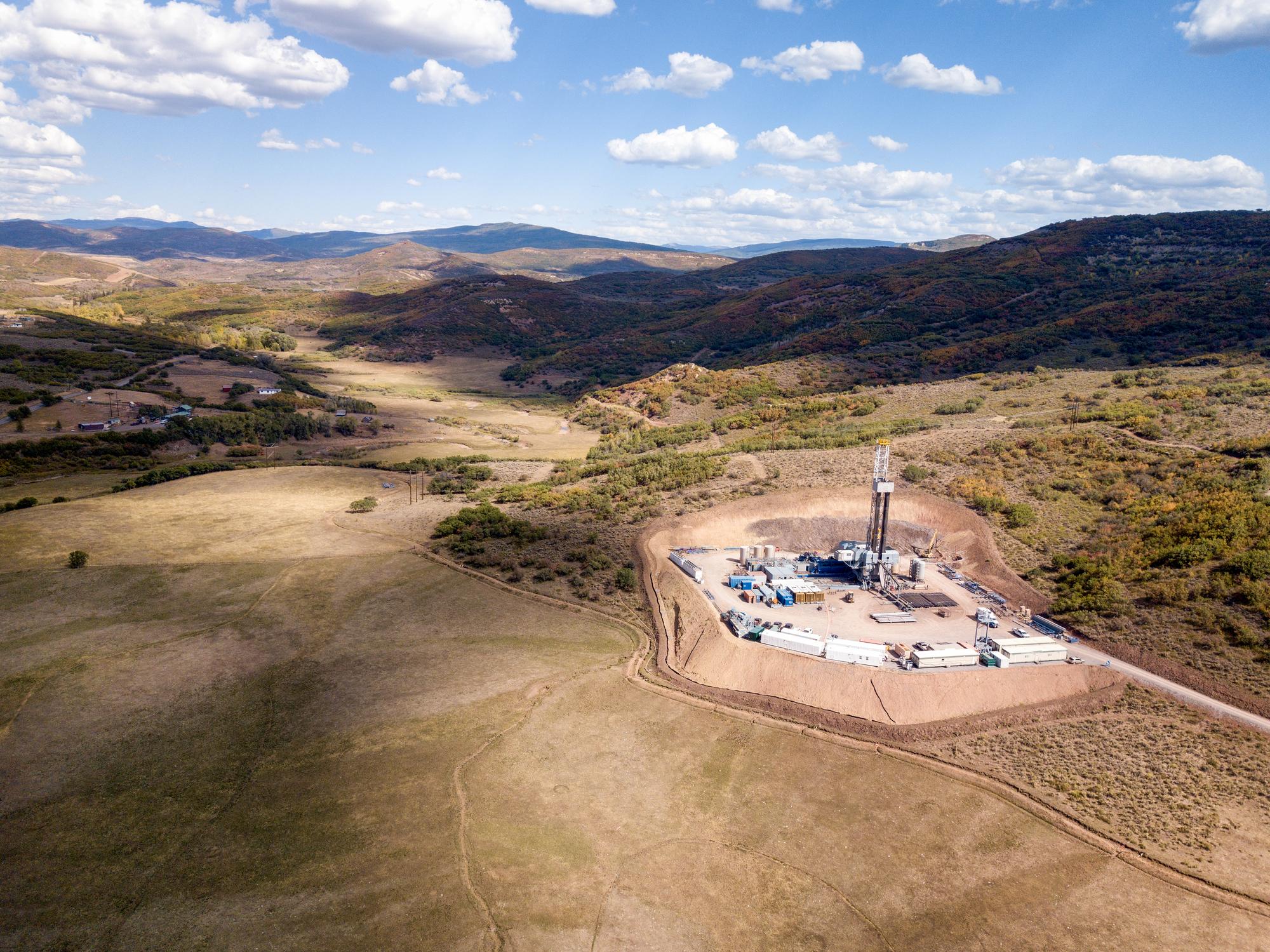
Oil and gas operations do not last forever. The most intense impacts to the land happen during the initial drilling and completion phase — after which reclamation efforts begin immediately. Once the life cycle of a well is completed, plugging of the well and full reclamation takes place.
Reclamation involves replacing the topsoil and reseeding the disturbed area with natural and native plants. The goal is to restore the site and ecosystem functions of disturbed lands to their original use. The result is often wildlife habitat of higher quality than before drilling ever occurred.
Precipitation rates, soil organic matter, and biomass in Wyoming are low, making reclamation challenging. Oil and gas operators invest significant resources in scientific data and research that helps to continuously improve reclamation outcomes.
Greater Sage-Grouse populations declined over the past century, prompting consideration for listing under the Endangered Species Act. As the epicenter of sage grouse habitat, Wyoming took a proactive approach, developing the unique and envied Wyoming Core Area Strategy in coordination with the oil and gas industry and other stakeholders.
The strategy prioritizes prime Sage-Grouse habitat and populations while encouraging resource development in other areas. It takes a scientific approach to disturbance — allowing development where impacts are minimal and avoiding it where impacts are great.
Wyoming formed the Sage-Grouse Implementation Team (SGIT) as the stakeholder group that makes recommendations to the Governor regarding regulatory actions to conserve sage-grouse and protect their habitat from threats. The oil and gas industry is an active and committed member of the SGIT.
Oil and gas activity comes to a halt during critical times of year for the Sage-Grouse to support their reproductive viability. The industry remains especially conscious of how activities are conducted in core population areas.

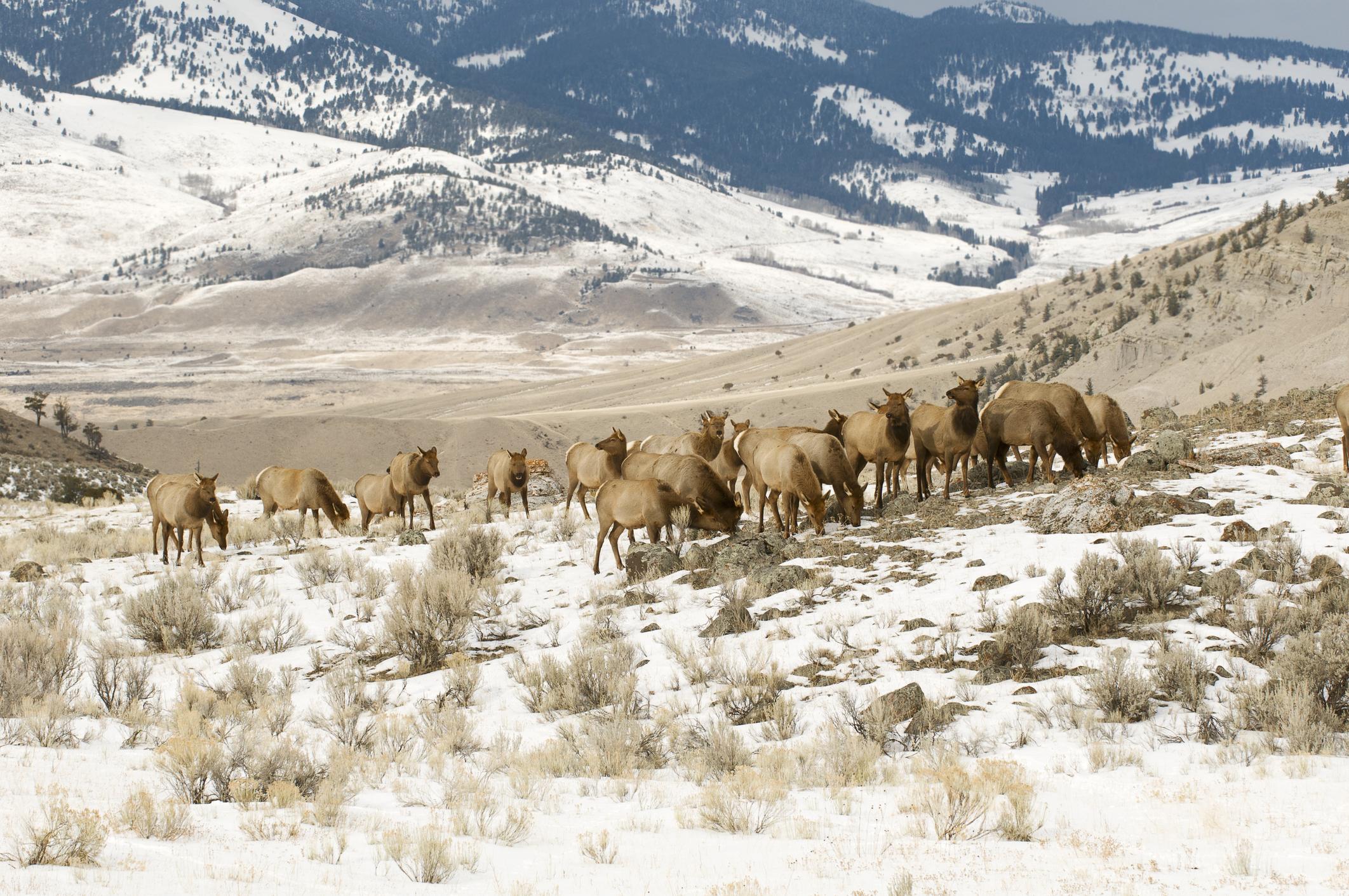
Hunting in Wyoming is both a way of life and an important segment of the state's economy. Many Wyoming residents working in the oil and gas industry are avid hunters with a vested interest in protecting the viability of big game herds.
New knowledge of the importance of migration corridors to Wyoming's ungulates prompted the Wyoming Game and Fish Department to create an Ungulate Migration Corridor Strategy in 2016 — developed in coordination with conservation groups and the oil and gas industry — to manage activities and development in migration corridors through avoidance and minimization.
The science on how different species of large ungulates migrate and what level of impacts negatively affect their movements is still evolving. Oil and gas operators continue to be actively involved with the state and stakeholders as policies are developed to ensure wildlife remain viable and vibrant.
Hydraulic fracturing (also referred to as fracking) is a completion technique used in tight geologic formations to better access oil and gas reserves. The process involves pumping fluid — made up of mostly water and sand — into the target formation, creating small fractures in the rock that enable hydrocarbons to flow to the wellbore.
Fracking has unlocked America's oil and gas resources and driven energy prices to historic lows. Wyoming is a model state for fracking regulations, with requirements that set the national standard for responsible operations.
Wyoming was the first state to require disclosure of fracking fluid chemical makeup to the Wyoming Oil and Gas Conservation Commission — a model that has since been adopted across the country.
PAW members foster the human experience by producing, transporting, and refining safe, dependable, affordable products and energy needed in Wyoming and across the globe. The oil and natural gas industry is indispensable to Wyoming's economy, and conserving Wyoming's pristine natural resources is indispensable to our core values.
PAW members are committed to continuous innovation, technological advancement, and a collaborative approach to addressing climate change. PAW recognizes that solving the challenge of an evolving climate is a global effort that will require shared responsibility and participation across industries, regions, and peoples.
As one of the largest producers of petroleum products from federal land in the United States, Wyoming has an important role to play in climate solutions. Wyoming's industry already develops some of the cleanest resources available in the world, and is furthering environmental progress every day.
PAW members support an approach that recognizes the need for oil and natural gas while balancing national security, environmental responsibility, economic growth, and a commitment to our communities across Wyoming.
There is no solution to climate change without oil and gas. There is no just solution without Wyoming.